Update: It turns out due to an error earlier in the year this should actually be called "99 days" oh well. Live and learn, eh?
Dear Mr. President,
The measure of a presidency is often taken by the accomplishments of the first 100 days. I think this is silly. You've got to allow at least a few days to find all the light switches and figure out how to navigate the west wing, right? Not to mention all the the thanking people for their help getting you elected, the waiting for congress to remember that no one in the country knows who they are after election season ends, and, of course, the post-victory poll numbers can't be taken that seriously. But I have 100 days left to write to you this year, and I want to make my last 100 letters count. In 100 days, I want to think that my country will be different. I want to think it will be stronger, economically, and that the Bush-era tax cus will be allowed to expire. I want to think that it will be a freer, and more fair country, where gay and lesbian Americans will be allowed to openly serve in our military and marry whomever they please. I want to think that our image abroad will be improved by the closure of Guantanamo bay, the end of combat in Afghanistan, and that truly fair-minded American leadership in the Palestinian/Israeli peace talks will help create a stable, free and secure Palestinian state. We might also be a greener nation, with an end to harmful agricultural subsidies, a robust new energy policy and heavier federal investment in making our national infrastructure more environmentally friendly. Every single one of these things is possible in 100 days. (I may also wish for socialized health care and higher education, but I recognize those things can't happen in 100 days.) All of this can happen. And while my cynical, realistic side believes that none of these things will be accomplished in so little time, the part of me that still hopes for a better future believes that your next 100 days can be just as important and productive as your first 100 days, or the 100 days that will come after December 31st. And, while I have 100 letters left to write, you can bet that I'm going to bug your more than ever about every single one of these goals.
2010 has been kind of a rough year for you and your presidency. But it's got 100 days left, and that's plenty of time to turn things around and change the way this year and your administration is remembered by history. I hope you make them count.
Respectfully yours,
Kelsey
Showing posts with label environmental protection. Show all posts
Showing posts with label environmental protection. Show all posts
Thursday, September 23, 2010


Wednesday, September 15, 2010
Day 258- Corn Sugar
Dear Mr. President,
"Corn Sugar" might be my new phrase for anything attempting to improve its image with a benign name. Like Blackwater becoming Xe or torture becoming "enhanced interrogation", the high-fructose corn syrup industry would like to have their product renamed into something slightly more suggestive of sunshine and real food. I'm not really a huge fan of marketing in general, but especially not when it comes to food. The deceptive practices many companies use to encourage consumption are incredibly manipulative. While ultimately we are all responsible for the food choices we make, I don't think companies should make it harder for a consumer to know what, exactly, is in the food they are consuming. That being said, I really don't care what HFCS is called.
HFCS is used primarily in items I don't consume; processed foods, sweetened beverages, and the kinds of candy I didn't even like as a child. I've still never had a Coca Cola, but popular opinion among my well-traveled friends is that Coke tastes better in countries where cane sugar is still used to sweeten it. While one might not have to look very far to see the potential health risks of HFCS consumption, my objection to the substance has nothing to do with it being better or worse for you than sugar. HFCS is popular with the makers of processed food because it is cheap and it is cheap because of the way corn is grown and subsidized in this country. HFCS's real danger is not in its consumption but its environmental, social and economic impacts. When it costs less and is more convenient for me to buy a jar of tomato sauce sweetened with corn than a decent-tasting tomato, well, that's when I get really angry. (Friends can surely attest that I take my tomatoes way too seriously.)
Our nation's health would surely improve if we lowered the amount of sweeteners we consumed overall. Our planet's health would likewise benefit from a complete overhaul in the way we raise our crops. If changing the name from corn syrup to "planet-killing cancer-causing death juice" is the way to accomplish that, well, I'll be the first to start editing the Wikipedia page. I think an informed consumer doesn't need to worry about what a substance is named, so long as they have all the information available to understand the impact their purchase will have on their own health and the health of the planet. What we need more than anything is a national food system that makes healthy food choices the easiest and least expensive options, that encourages sustainable agricultural practices and fair wages for agricultural workers. A food system that places the overall health of our nation above efficiency and profit. Until we change the way we produce and consume food as a society, we're just going to keep getting fatter and sicker while the planet gets hotter and the poor get poorer. Anything else is just corn sugar.
Respectfully yours,
Kelsey
"Corn Sugar" might be my new phrase for anything attempting to improve its image with a benign name. Like Blackwater becoming Xe or torture becoming "enhanced interrogation", the high-fructose corn syrup industry would like to have their product renamed into something slightly more suggestive of sunshine and real food. I'm not really a huge fan of marketing in general, but especially not when it comes to food. The deceptive practices many companies use to encourage consumption are incredibly manipulative. While ultimately we are all responsible for the food choices we make, I don't think companies should make it harder for a consumer to know what, exactly, is in the food they are consuming. That being said, I really don't care what HFCS is called.
HFCS is used primarily in items I don't consume; processed foods, sweetened beverages, and the kinds of candy I didn't even like as a child. I've still never had a Coca Cola, but popular opinion among my well-traveled friends is that Coke tastes better in countries where cane sugar is still used to sweeten it. While one might not have to look very far to see the potential health risks of HFCS consumption, my objection to the substance has nothing to do with it being better or worse for you than sugar. HFCS is popular with the makers of processed food because it is cheap and it is cheap because of the way corn is grown and subsidized in this country. HFCS's real danger is not in its consumption but its environmental, social and economic impacts. When it costs less and is more convenient for me to buy a jar of tomato sauce sweetened with corn than a decent-tasting tomato, well, that's when I get really angry. (Friends can surely attest that I take my tomatoes way too seriously.)
Our nation's health would surely improve if we lowered the amount of sweeteners we consumed overall. Our planet's health would likewise benefit from a complete overhaul in the way we raise our crops. If changing the name from corn syrup to "planet-killing cancer-causing death juice" is the way to accomplish that, well, I'll be the first to start editing the Wikipedia page. I think an informed consumer doesn't need to worry about what a substance is named, so long as they have all the information available to understand the impact their purchase will have on their own health and the health of the planet. What we need more than anything is a national food system that makes healthy food choices the easiest and least expensive options, that encourages sustainable agricultural practices and fair wages for agricultural workers. A food system that places the overall health of our nation above efficiency and profit. Until we change the way we produce and consume food as a society, we're just going to keep getting fatter and sicker while the planet gets hotter and the poor get poorer. Anything else is just corn sugar.
Respectfully yours,
Kelsey
Friday, September 10, 2010
Day 253- For you, JP
Dear Mr. President,
My dear friend JP works at an ice cream shop in our neighborhood. I'm writing to you from his shop as he finishes closing. Tonight I asked him what he'd like me to write about and he suggested I discuss the solar panel that environmental activists brought to the White House. That you declined to place the near-ancient solar panel on the White House roof is not what bothers him. The activists bringing you the panel were doing so, I'd imagine, for a symbolic and not a practical purpose. The security and logistical issues involved in placing something of that size on the White House roof are surely greater than the energy saving potential of such an old device.
But in a year when your administration has backed down on comprehensive energy legislation, maybe a little symbolic good will to the green movement was in order. Accepting the solar panel for a museum, or for the OEOB or another office building might have at least demonstrated that you took the offering in good spirits, that you had respect for the group and their cause. A commitment to make the White House more energy efficient- or even to answer questions about its energy efficiency- would have left the activists feeling like they'd accomplished something.
Perhaps you didn't want this. Perhaps you viewed their "stunt" as something that should not be rewarded with good will from your office. I can see the logic behind this, I suppose. At a time when lobbyists have unprecedented power and influence in Washington, when votes in congress can be openly purchased by special interest donations, is it really such a bad thing to indulge a "stunt" from an organization without a particularly loud voice on the Hill? If you really want to change the culture of corruption in Washington, maybe you should stop rewarding those who know how to play the game best. Yesterday, I engaged in a debate with a conservative friend and fellow blogger who criticized those on the left for insisting Islam to be a "religion of peace" while asking that nutcase in Florida not to do something that might trigger violence from Muslims. I argued that you were speaking to the majority of Muslims who would have reacted to this man's hateful actions with nothing more than words. Reassuring them that, even if their quiet speech was drown out by the shouts and violence of the fringe, you could still hear them. My point was about the importance of acknowledging the silent majority, of empowering them so that shouting (or violence) doesn't become the only way to be noticed.
Powerlessness is an awful feeling. I often imagine that the only way for some one like me to be noticed by those in power is to become wealthy, to have something tragic happen to me, or to do something horrible. For me, the act of writing to you, the act of speaking, is much more important than the act of being heard. I don't need you to know that I exist or what I feel strongly about, so much as I need to articulate these things to myself. But others don't feel that way. Others do need to be heard. And so much of your time is spent dealing with tragedy or chaos or violence that is may occur to some as the best way to get your attention. I'm not saying you should accept the solar panel in order to avoid ecoterrorism or anything like that, just that empowering people so passionate about moving our country away from our worst and most consumptive practices is more productive than discouraging them. We need committed environmentalists and your administration needs them to feel respected and listened to if you want their support. In a year when you have done precious little to remind them why they elected you, would it have been that hard just to admit your own shortcomings and listen to their ideas for improvement? Especially when it costs you nothing, I think accepting their criticism gracefully and demonstrating your willingness to work with them would have been a much smarter move.
Respectfully yours,
Kelsey
My dear friend JP works at an ice cream shop in our neighborhood. I'm writing to you from his shop as he finishes closing. Tonight I asked him what he'd like me to write about and he suggested I discuss the solar panel that environmental activists brought to the White House. That you declined to place the near-ancient solar panel on the White House roof is not what bothers him. The activists bringing you the panel were doing so, I'd imagine, for a symbolic and not a practical purpose. The security and logistical issues involved in placing something of that size on the White House roof are surely greater than the energy saving potential of such an old device.
But in a year when your administration has backed down on comprehensive energy legislation, maybe a little symbolic good will to the green movement was in order. Accepting the solar panel for a museum, or for the OEOB or another office building might have at least demonstrated that you took the offering in good spirits, that you had respect for the group and their cause. A commitment to make the White House more energy efficient- or even to answer questions about its energy efficiency- would have left the activists feeling like they'd accomplished something.
Perhaps you didn't want this. Perhaps you viewed their "stunt" as something that should not be rewarded with good will from your office. I can see the logic behind this, I suppose. At a time when lobbyists have unprecedented power and influence in Washington, when votes in congress can be openly purchased by special interest donations, is it really such a bad thing to indulge a "stunt" from an organization without a particularly loud voice on the Hill? If you really want to change the culture of corruption in Washington, maybe you should stop rewarding those who know how to play the game best. Yesterday, I engaged in a debate with a conservative friend and fellow blogger who criticized those on the left for insisting Islam to be a "religion of peace" while asking that nutcase in Florida not to do something that might trigger violence from Muslims. I argued that you were speaking to the majority of Muslims who would have reacted to this man's hateful actions with nothing more than words. Reassuring them that, even if their quiet speech was drown out by the shouts and violence of the fringe, you could still hear them. My point was about the importance of acknowledging the silent majority, of empowering them so that shouting (or violence) doesn't become the only way to be noticed.
Powerlessness is an awful feeling. I often imagine that the only way for some one like me to be noticed by those in power is to become wealthy, to have something tragic happen to me, or to do something horrible. For me, the act of writing to you, the act of speaking, is much more important than the act of being heard. I don't need you to know that I exist or what I feel strongly about, so much as I need to articulate these things to myself. But others don't feel that way. Others do need to be heard. And so much of your time is spent dealing with tragedy or chaos or violence that is may occur to some as the best way to get your attention. I'm not saying you should accept the solar panel in order to avoid ecoterrorism or anything like that, just that empowering people so passionate about moving our country away from our worst and most consumptive practices is more productive than discouraging them. We need committed environmentalists and your administration needs them to feel respected and listened to if you want their support. In a year when you have done precious little to remind them why they elected you, would it have been that hard just to admit your own shortcomings and listen to their ideas for improvement? Especially when it costs you nothing, I think accepting their criticism gracefully and demonstrating your willingness to work with them would have been a much smarter move.
Respectfully yours,
Kelsey
Monday, August 23, 2010
Day 235-Eggs and the North Pole and the end of the world
Dear Mr. President,
As I read about the half-billion eggs being recalled, and the melting pack ice at the North Pole, I'm getting a familiar feeling of panic. "Globally, 2010 is on track to be the warmest year on record." This line from the New York Times piece on the coming effects of climate change has been echoing in my mind since I read it to my roommate this morning. The article isn't even about preventing these disasters but about preparing for them in order to mitigate their destructive capacity. I guess you could say I'm confused. Don't we want to eat eggs without worrying that they have diseases? Don't we want a world that's safe for us and for the next generation? A world where oil doesn't gush into the Gulf of Mexico because of an accident? It seems like these costs of our lifestyles are far worse than the cost of reforming our currents systems to prevent disasters like this. Are we so afraid of the inconveniences of change that we'd rather go down with the ship than save ourselves?
A friend and I were recently talking about our post-apocalypse survival skills. (Jam-making, at least, we've got covered.) He's as committed as I am to decreasing the destructive impact we have on the world, but he's much more resigned to the idea that we're too far lost to avoid the disastrous end we have coming. I don't entirely disagree; if we can't talk people into spending a little more for their food (and consuming a little less of the products with the most harmful production processes) how can we talk them into making the big and society-wide changes that it is going to take to turn things around? Is it even too late to try? I generally don't like giving in to my fears and accepting that we're doomed, but I'm having a difficult time finding hope in our prospects.
Anticipating these apocalyptic fires and floods and droughts doesn't do much more than raise my blood pressure. However, just as I can't stop injustice by hiding from horrible news of it, I'm sure it doesn't do me any good to ignore the possibilities. Reforming our food system, getting the political will for actual clean energy legislation and a widespread alteration in our priorities when making every day decisions might all still save us- but I've just gotten too cynical to believe we can do it. So I'm going to keep trying to be better about my own negative impact on the climate, especially when it comes to the foods I purchase, but I'm also going to keep brushing up on those skills for the apocalypse. After all, I'll probably need more than jam when the times comes.
Respectfully yours,
Kelsey
As I read about the half-billion eggs being recalled, and the melting pack ice at the North Pole, I'm getting a familiar feeling of panic. "Globally, 2010 is on track to be the warmest year on record." This line from the New York Times piece on the coming effects of climate change has been echoing in my mind since I read it to my roommate this morning. The article isn't even about preventing these disasters but about preparing for them in order to mitigate their destructive capacity. I guess you could say I'm confused. Don't we want to eat eggs without worrying that they have diseases? Don't we want a world that's safe for us and for the next generation? A world where oil doesn't gush into the Gulf of Mexico because of an accident? It seems like these costs of our lifestyles are far worse than the cost of reforming our currents systems to prevent disasters like this. Are we so afraid of the inconveniences of change that we'd rather go down with the ship than save ourselves?
A friend and I were recently talking about our post-apocalypse survival skills. (Jam-making, at least, we've got covered.) He's as committed as I am to decreasing the destructive impact we have on the world, but he's much more resigned to the idea that we're too far lost to avoid the disastrous end we have coming. I don't entirely disagree; if we can't talk people into spending a little more for their food (and consuming a little less of the products with the most harmful production processes) how can we talk them into making the big and society-wide changes that it is going to take to turn things around? Is it even too late to try? I generally don't like giving in to my fears and accepting that we're doomed, but I'm having a difficult time finding hope in our prospects.
Anticipating these apocalyptic fires and floods and droughts doesn't do much more than raise my blood pressure. However, just as I can't stop injustice by hiding from horrible news of it, I'm sure it doesn't do me any good to ignore the possibilities. Reforming our food system, getting the political will for actual clean energy legislation and a widespread alteration in our priorities when making every day decisions might all still save us- but I've just gotten too cynical to believe we can do it. So I'm going to keep trying to be better about my own negative impact on the climate, especially when it comes to the foods I purchase, but I'm also going to keep brushing up on those skills for the apocalypse. After all, I'll probably need more than jam when the times comes.
Respectfully yours,
Kelsey
Monday, July 5, 2010
Day 186- GMO life
Dear Mr. President,
Genetically Modified food certainly sounds unappetizing. On a visceral level I don't like GMO crops; I don't trust the companies that produce them and I don't believe the the effects of consuming them are fully understood. That being said, my sister is a doctor who earned her PHD studying plant genetics and hybrids. She now works for a company that, in the course of its work with impoverished nations, funds the use of these crops to fight starvation and malnourishment. We've often talked about these crops and she's a believer in the benefits that some of them provide.
Still, I'm uneasy. I can't fully explain or quantify my hesitation about GMO crops, except to say that it is directly related to the huge profits enjoyed by Monsanto and other agricultural companies. It isn't that I think organic, non-GMO food is raised or sold without any expectation of profit, it's that there is a certain obscenity to this kind of wealth, in that it makes the few who enjoy it and many more who depend upon it desperate for its preservation. I think Ayn Rand would probably slap me, (or maybe kill me and cut me into small pieces) if she were alive, for equating wealth and immorality, but she was never going to be my biggest fan, anyway. It isn't fair to assume that because a company makes money it is immoral, but when I see the things that the banking and financial companies did to make their huge profits, or the oil companies, I see a pattern of exploitation, manipulation, dishonesty and disregard for safety, social and environmental risks. It appears, to an admittedly casual and ignorant observer, that to achieve such a combination of profit, power and size, a company has to make ethically dubious decisions. At the very least, I doubt that my health, or the planet's, is a higher priority for these companies than their bottom line. Which makes me nervous, considering how blindly our system depends up on them, and the lack of transparency we allow them to operate with.
But I think every one should get to make that decision for themselves. Which is why I hope that, especially in light of the recent Supreme Court decision, the USDA will insist upon clear labeling of all GMO food & products containing GMO ingredients. Allowing consumers to make up their own minds about what they buy and what they eat is essential to our individual freedoms, our obligation to protect ourselves and our planet. This will also make companies like Monsanto more accountable to consumers; allowing the market's invisible hand to keep them just a little more honest. I think that's a solution even Ayn Rand could get behind.
Respectfully yours,
Kelsey
Genetically Modified food certainly sounds unappetizing. On a visceral level I don't like GMO crops; I don't trust the companies that produce them and I don't believe the the effects of consuming them are fully understood. That being said, my sister is a doctor who earned her PHD studying plant genetics and hybrids. She now works for a company that, in the course of its work with impoverished nations, funds the use of these crops to fight starvation and malnourishment. We've often talked about these crops and she's a believer in the benefits that some of them provide.
Still, I'm uneasy. I can't fully explain or quantify my hesitation about GMO crops, except to say that it is directly related to the huge profits enjoyed by Monsanto and other agricultural companies. It isn't that I think organic, non-GMO food is raised or sold without any expectation of profit, it's that there is a certain obscenity to this kind of wealth, in that it makes the few who enjoy it and many more who depend upon it desperate for its preservation. I think Ayn Rand would probably slap me, (or maybe kill me and cut me into small pieces) if she were alive, for equating wealth and immorality, but she was never going to be my biggest fan, anyway. It isn't fair to assume that because a company makes money it is immoral, but when I see the things that the banking and financial companies did to make their huge profits, or the oil companies, I see a pattern of exploitation, manipulation, dishonesty and disregard for safety, social and environmental risks. It appears, to an admittedly casual and ignorant observer, that to achieve such a combination of profit, power and size, a company has to make ethically dubious decisions. At the very least, I doubt that my health, or the planet's, is a higher priority for these companies than their bottom line. Which makes me nervous, considering how blindly our system depends up on them, and the lack of transparency we allow them to operate with.
But I think every one should get to make that decision for themselves. Which is why I hope that, especially in light of the recent Supreme Court decision, the USDA will insist upon clear labeling of all GMO food & products containing GMO ingredients. Allowing consumers to make up their own minds about what they buy and what they eat is essential to our individual freedoms, our obligation to protect ourselves and our planet. This will also make companies like Monsanto more accountable to consumers; allowing the market's invisible hand to keep them just a little more honest. I think that's a solution even Ayn Rand could get behind.
Respectfully yours,
Kelsey
Friday, July 2, 2010
Day 183- All at once
****Update for those of you who don't read my facebook or Chev's: Chev is totally fine and safe, the Peace Corps volunteers are only being evacuated from the Northern regions of Burkina Faso, and so they will be reassigned to southern villages that are safer. Yay for good news!
Dear Mr. President,
I have a soft spot for certain "celebrity" chefs. Jamie Oliver. Molly Wizenberg and, perhaps ironically, given his position on all things vegetarian, Anthony Bourdain. While at work, I glanced through a few passages from Bourdain's latest book, Medium Raw, in which he expresses his inexplicable mix of dislike and respect for Alice Waters. Bourdain, who himself insists upon fresh, organic food for his own family, has several problems with the way Waters has advocated these practices for all Americans. His first problem is with the reality of modern farming, which he, perhaps correctly, insists could not be simultaneously organic, sustainable, and affordable. His next contention, that few Americans want to do the hard work that kind of farming requires and must therefor rely upon immigrant labor or machines to do it for them, reminded me of two articles I'd stumbled upon lately. The first was a Freakonomics piece by James McWilliams on fair trade coffee and economic reality, and the second was an interview with a United Farm Workers of America VP Erik Nicholson discussing agricultural practices, in which Nicholson asserts that the convergence of sustainable small farms, labor and immigration issues make any real progress politically problematic.
Reading these pieces and contemplating the many ways that reality frustrates idealism, I realized that this issue is more than just labor and immigration and sustainability; it's healthcare and our energy future and our environmental policy. What we eat, how we produce our food, will involve and impact every major (and especially contentious) domestic policy issue we face. I was once again reminded of how overwhelmed I felt in Costco the other day, sure that all of my good intentions were for nothing. I don't see how we can possibly remake our entire agricultural system in the image of Waters' utopian ideal, but neither do I have quite so cynical a perspective as Bourdain. We may not have a surplus of Americans willing to return to agricultural labor, at least not the way it is now or has been done in the past, but it isn't as though all Americans are strangers to hard labor. I, for one, (and I doubt very much that I'm alone in this) would much rather have tended fields or picked fruit than toiled away as a food service employee for all the years I spent in unskilled positions. The problem is simultaneous change. We need more people to grow food that is safer and more nutritious, for themselves and for their communities, and to do that we need more people to work in agriculture, and to do that we need to have better wages and working conditions, which means the use of pesticides and factory farming practices would have to change. Immigration, food prices, import and export practices, the environment; everything would be affected. Everything would have to change at once for any of it to work, and I've lived too long to believe that we're capable of that.
So will organic, sustainably grown food continue to be a luxury for the rich, or favorably located, or fervently committed, forever subject to the economic realities that link scaling up these practices with the degradation of the very principles they were founded upon? I want to believe that we can reform ourselves, but I don't know that I, or you, or even Alice Waters, has the solution. In the last few days, I've seen major discussions on healthcare, immigration, energy and environmental policies from the White House, and so I know that your administration still has faith that we can make the necessary changes in all of these areas. For myself, I don't imagine that the solution lies in regressing to the practices that once sustained us; our society has become far too urban, far too disconnected from the land our food comes from to ever fully revert back to the kind of farming I associate with John Steinbeck's novels. I think our best hope is yet to be discovered, but that it will require us all to involve ourselves, however unappealing some may find it, in the sources of our food and to demand better conditions for the people who provide it for us.
Anyway, on Monday I'll be putting myself to the test and see how well my rhetoric stands up against reality. More on that, to come.
Respectfully yours,
Kelsey
Dear Mr. President,
I have a soft spot for certain "celebrity" chefs. Jamie Oliver. Molly Wizenberg and, perhaps ironically, given his position on all things vegetarian, Anthony Bourdain. While at work, I glanced through a few passages from Bourdain's latest book, Medium Raw, in which he expresses his inexplicable mix of dislike and respect for Alice Waters. Bourdain, who himself insists upon fresh, organic food for his own family, has several problems with the way Waters has advocated these practices for all Americans. His first problem is with the reality of modern farming, which he, perhaps correctly, insists could not be simultaneously organic, sustainable, and affordable. His next contention, that few Americans want to do the hard work that kind of farming requires and must therefor rely upon immigrant labor or machines to do it for them, reminded me of two articles I'd stumbled upon lately. The first was a Freakonomics piece by James McWilliams on fair trade coffee and economic reality, and the second was an interview with a United Farm Workers of America VP Erik Nicholson discussing agricultural practices, in which Nicholson asserts that the convergence of sustainable small farms, labor and immigration issues make any real progress politically problematic.
Reading these pieces and contemplating the many ways that reality frustrates idealism, I realized that this issue is more than just labor and immigration and sustainability; it's healthcare and our energy future and our environmental policy. What we eat, how we produce our food, will involve and impact every major (and especially contentious) domestic policy issue we face. I was once again reminded of how overwhelmed I felt in Costco the other day, sure that all of my good intentions were for nothing. I don't see how we can possibly remake our entire agricultural system in the image of Waters' utopian ideal, but neither do I have quite so cynical a perspective as Bourdain. We may not have a surplus of Americans willing to return to agricultural labor, at least not the way it is now or has been done in the past, but it isn't as though all Americans are strangers to hard labor. I, for one, (and I doubt very much that I'm alone in this) would much rather have tended fields or picked fruit than toiled away as a food service employee for all the years I spent in unskilled positions. The problem is simultaneous change. We need more people to grow food that is safer and more nutritious, for themselves and for their communities, and to do that we need more people to work in agriculture, and to do that we need to have better wages and working conditions, which means the use of pesticides and factory farming practices would have to change. Immigration, food prices, import and export practices, the environment; everything would be affected. Everything would have to change at once for any of it to work, and I've lived too long to believe that we're capable of that.
So will organic, sustainably grown food continue to be a luxury for the rich, or favorably located, or fervently committed, forever subject to the economic realities that link scaling up these practices with the degradation of the very principles they were founded upon? I want to believe that we can reform ourselves, but I don't know that I, or you, or even Alice Waters, has the solution. In the last few days, I've seen major discussions on healthcare, immigration, energy and environmental policies from the White House, and so I know that your administration still has faith that we can make the necessary changes in all of these areas. For myself, I don't imagine that the solution lies in regressing to the practices that once sustained us; our society has become far too urban, far too disconnected from the land our food comes from to ever fully revert back to the kind of farming I associate with John Steinbeck's novels. I think our best hope is yet to be discovered, but that it will require us all to involve ourselves, however unappealing some may find it, in the sources of our food and to demand better conditions for the people who provide it for us.
Anyway, on Monday I'll be putting myself to the test and see how well my rhetoric stands up against reality. More on that, to come.
Respectfully yours,
Kelsey
Monday, June 28, 2010
Day 179- The sweetness
It's another Earth Day Monday! Since I'm a baker, I thought I'd talk about some ways to reduce the HUGE environmental impact from the sugars that we use.
Dear Mr. President,
Lately, in an attempt to distract myself from the absence of my friend, I've been watching The X-files probably more than is healthy. Remember the good old days when we thought the government was covering up the truth about UFOs? The abuses and crimes ignored, tacitly approved, or even ordered by our government that have come to light since 9/11 are so much worse than fiction. At this point, I think a good revelation about extraterrestrials would probably help the government so much that Robert Gibbs would announce it from the press room himself. Anyway, my other method of coping with this has been to bake- A LOT. I've been a stress-baker for years, and as college classmates and coworkers can attest, some of my best experiments come during the most trying times in my life.
But all of this baking can be bad for my figure, and for the earth. Sugar production and processing is hugely destructive to the environment, and largely responsible for the current sad state of the Everglades. I've taken to buying the bulk containers of a organic, fair-trade, sustainably farmed evaporated cane juice. I know where it comes from and how it is produced, and I believe that it is far less harmful to the environment than the cheaper white sugar, but it still has to be shipped quite a distance. I think I can do better. Last week, I baked Orange Zucchini bread, and used half of the sugar, replacing the rest with orange juice. (I have a million oranges from my produce box, so oranges will probably continue to be used this way in my baking adventures.) In Washington, we're famous for our apples, and apple juice is another alternative sweetener that is easy to get from local sources in the right season. Another great alternative is to actually make your own sugar, from sugar beets. This fall, when the beets come into season again, I'm going to try making my own from local, organic beets. Finally, I'm resolving to stop using individual sugar packets entirely. This is an incredibly wasteful practice that too many coffee shops perpetuate. It may be convenient, but I think that reducing the amount of packaging and processing in the foods we consume is worth a little inconvenience from time to time.
Yesterday, my mother took me shopping for groceries at Costco. I know buying some items in bulk reduces the amount of packaging and can be environmentally beneficial. But then I saw the inside of Costco. So much stuff in one place is really overwhelming. I had a hard time imagining how a person from any of the number of countries on this planet with food shortages would feel, walking into any of the hundreds of stores like that in this country. The carbon footprint of just one Costco and all its products must be astounding. Suddenly, surrounded by swarms of carts and people queueing up for samples, shrinking in the shadows of endlessly high stacks of product, it all seemed useless. How could buying a 10lb bag of sugar to save a few inches of plastic, or walking instead of driving, or all the sustainably grown organic local produce I could eat ever stand up to that? How could I make even a dent? If I save a few gallons of oil every week, how does that help when barrels of it are spent each day just to produce the dead animal in one meat section of one Costco? (Never mind the concession stand, or the frozen food aisle.) Can I make any significant difference?
I don't know. I can't shake this feeling of smallness, but I can sleep at night knowing I'm not participating in some of the worst parts of our consumption. Maybe that's all I can hope for, just to feel OK about the small changes I'm making in my own life, and hope that others want to do the same. Anyway, on this earth day monday, I am so grateful for the earth that produces the food I eat, and I promise to continue looking for alternatives that are healthier for it and for me.
Respectfully yours,
Kelsey
Dear Mr. President,
Lately, in an attempt to distract myself from the absence of my friend, I've been watching The X-files probably more than is healthy. Remember the good old days when we thought the government was covering up the truth about UFOs? The abuses and crimes ignored, tacitly approved, or even ordered by our government that have come to light since 9/11 are so much worse than fiction. At this point, I think a good revelation about extraterrestrials would probably help the government so much that Robert Gibbs would announce it from the press room himself. Anyway, my other method of coping with this has been to bake- A LOT. I've been a stress-baker for years, and as college classmates and coworkers can attest, some of my best experiments come during the most trying times in my life.
But all of this baking can be bad for my figure, and for the earth. Sugar production and processing is hugely destructive to the environment, and largely responsible for the current sad state of the Everglades. I've taken to buying the bulk containers of a organic, fair-trade, sustainably farmed evaporated cane juice. I know where it comes from and how it is produced, and I believe that it is far less harmful to the environment than the cheaper white sugar, but it still has to be shipped quite a distance. I think I can do better. Last week, I baked Orange Zucchini bread, and used half of the sugar, replacing the rest with orange juice. (I have a million oranges from my produce box, so oranges will probably continue to be used this way in my baking adventures.) In Washington, we're famous for our apples, and apple juice is another alternative sweetener that is easy to get from local sources in the right season. Another great alternative is to actually make your own sugar, from sugar beets. This fall, when the beets come into season again, I'm going to try making my own from local, organic beets. Finally, I'm resolving to stop using individual sugar packets entirely. This is an incredibly wasteful practice that too many coffee shops perpetuate. It may be convenient, but I think that reducing the amount of packaging and processing in the foods we consume is worth a little inconvenience from time to time.
Yesterday, my mother took me shopping for groceries at Costco. I know buying some items in bulk reduces the amount of packaging and can be environmentally beneficial. But then I saw the inside of Costco. So much stuff in one place is really overwhelming. I had a hard time imagining how a person from any of the number of countries on this planet with food shortages would feel, walking into any of the hundreds of stores like that in this country. The carbon footprint of just one Costco and all its products must be astounding. Suddenly, surrounded by swarms of carts and people queueing up for samples, shrinking in the shadows of endlessly high stacks of product, it all seemed useless. How could buying a 10lb bag of sugar to save a few inches of plastic, or walking instead of driving, or all the sustainably grown organic local produce I could eat ever stand up to that? How could I make even a dent? If I save a few gallons of oil every week, how does that help when barrels of it are spent each day just to produce the dead animal in one meat section of one Costco? (Never mind the concession stand, or the frozen food aisle.) Can I make any significant difference?
I don't know. I can't shake this feeling of smallness, but I can sleep at night knowing I'm not participating in some of the worst parts of our consumption. Maybe that's all I can hope for, just to feel OK about the small changes I'm making in my own life, and hope that others want to do the same. Anyway, on this earth day monday, I am so grateful for the earth that produces the food I eat, and I promise to continue looking for alternatives that are healthier for it and for me.
Respectfully yours,
Kelsey
Monday, June 21, 2010
Day 172- The Carbon River Rainforest
Note: From now on, Monday's letters will be dedicated to environmental issues, as a part of my observance of a weekly earth day.
Dear Mr. President,
When I was young, I loved the outdoors. A childhood friend's father took us hiking as often as he could. We climbed Mt. Pilchuck, camped on the peninsula, and back-packed the first week's worth of the Pacific Crest Trail. On our hikes, he would often talk to us about the importance of nature, and of reverence for the natural world. At the time, she and I were probably more concerned with boys and make-up and keeping our figures, but his lessons have stuck with me as I grew mature enough to understand them. We were never to leave trash, or destroy anything intentionally, disturb wildlife or their habitats if we could help it. Respect for nature would keep us safe, it would teach us things, and it would strengthen our connections to the sacred. We learned how to make and safely extinguish a fire, to pack a bag with enough to survive for a week and still carry, to find good walking sticks and to appreciate the sights and sounds of our surroundings. I am so grateful to have had these experiences, and I regret only that I did not continue these ventures into the natural world as I grew older.
One of the most biologically diverse forests, and one of the last inland rain forests in the United States is not more than a few hours from where I sit, in the shadow of Mt. Rainier. The Carbon River Rainforest is not a protected area, and is threatened by logging and development projects nearby. There is a a campaign lobbying to extend the boundaries of Mt. Rainier national park to include the rainforest. I sincerely hope that the interior department pays close attention to this issue, which is important not only to my state, but to any one who would like to see this fragile ecosystem preserved. Expanding the protection of the National Park to include this area is obviously something that will have to be decided by people who know more than I do about the economic and environmental impacts of such a decision; I just want to express my hope that the former won't be given greater importance than the latter. Yes, jobs and economic growth are important, but we only get one planet and places like the carbon river rainforest are too rare and too important to surrender to the hope of a few more old-economy jobs.
Future generations of children deserve the emotional, educational and spiritual encounters with nature that I was lucky enough to have; if we cannot give them sustainable energy sources, clean air or clean water, preserving what is left of our planet's natural beauty is the least that we owe them.
Respectfully yours,
Kelsey
Dear Mr. President,
When I was young, I loved the outdoors. A childhood friend's father took us hiking as often as he could. We climbed Mt. Pilchuck, camped on the peninsula, and back-packed the first week's worth of the Pacific Crest Trail. On our hikes, he would often talk to us about the importance of nature, and of reverence for the natural world. At the time, she and I were probably more concerned with boys and make-up and keeping our figures, but his lessons have stuck with me as I grew mature enough to understand them. We were never to leave trash, or destroy anything intentionally, disturb wildlife or their habitats if we could help it. Respect for nature would keep us safe, it would teach us things, and it would strengthen our connections to the sacred. We learned how to make and safely extinguish a fire, to pack a bag with enough to survive for a week and still carry, to find good walking sticks and to appreciate the sights and sounds of our surroundings. I am so grateful to have had these experiences, and I regret only that I did not continue these ventures into the natural world as I grew older.
One of the most biologically diverse forests, and one of the last inland rain forests in the United States is not more than a few hours from where I sit, in the shadow of Mt. Rainier. The Carbon River Rainforest is not a protected area, and is threatened by logging and development projects nearby. There is a a campaign lobbying to extend the boundaries of Mt. Rainier national park to include the rainforest. I sincerely hope that the interior department pays close attention to this issue, which is important not only to my state, but to any one who would like to see this fragile ecosystem preserved. Expanding the protection of the National Park to include this area is obviously something that will have to be decided by people who know more than I do about the economic and environmental impacts of such a decision; I just want to express my hope that the former won't be given greater importance than the latter. Yes, jobs and economic growth are important, but we only get one planet and places like the carbon river rainforest are too rare and too important to surrender to the hope of a few more old-economy jobs.
Future generations of children deserve the emotional, educational and spiritual encounters with nature that I was lucky enough to have; if we cannot give them sustainable energy sources, clean air or clean water, preserving what is left of our planet's natural beauty is the least that we owe them.
Respectfully yours,
Kelsey
Thursday, June 17, 2010
Day 168- Michele Bachman, Hugo Chavez and Joe Barton
Q Michele Bachmann called the fund a redistribution of wealth fund. On FOX they’re calling it “Chavez-like” as in Venezuela Chavez. Can you speak --
MR. GIBBS: Not the boxer?
Q Not the boxer. (Laughter.) Can you speak to the larger theme here of Republican and conservative opposition to this as yet another Obama socialistic, big-government initiative?
MR. GIBBS: I mean, I don’t -- it’s hard to tell what planet these people live on. It’s hard to understand -- it’s hard to understand their viewpoint, but it may explain their votes on financial regulation; it explains how they view whether or not the banks ought to be able to write their own rules and play the game the way they played it in -- several years ago that caused our economy to crash. It’s understanding how we got an MMS that was handing out drugs in favor of drilling permits.
White House Press briefing 6/17/2010
Dear Mr. President,
I'm not often surprised by the Republicans. Normally, comparing your policies to Hugo Chavez's socialism, or kissing up to BP executives, seems like par for their particular course. But this is a national tragedy. I thought that the party of "America First" would be able to put aside their allegiance to their big donors for five minutes and recognize that an egregious crime has been committed against America and the American people and the company responsible needs to pay for the cost of cleaning it up and the livelihoods its negligence has ruined.
I suppose you have to admire their commitment to the "disagree with anything a Democrat says" strateg; such fidelity isn't often found in career politicians. Though I suppose, at this point in her career, Michele Bachmann is safe in the knowledge that her supporters don't expect a great deal of rational, or even logical thought. Still, this seems like a risky political move for any one trying to appoint themselves or their party as the standard bearer for the populist anger in this country. I'm dumbfounded. Maybe the rest of the country isn't as angry as I and most of the people I've encountered are; maybe the citizens of Texas and Minnesota who vote for Bachmann and Barton are huge supporters of BP and think that they shouldn't have to pay for this disaster. I've met my share of Minnesotans and more than a few Texans, however, and they don't seem like stupid people.
Anyway, Mr. President, I hope the next time a column is published about your lack of aggression or emotion, your inability to effectively "declare war" on BP, we all take a deep breath and remember that the legislative branch is still the most powerful, it's still run by people like Michele Bachmann and Joe Barton, still funded by BP and other corporate interests and we still have no one to blame for that but ourselves.
Respectfully yours,
Kelsey
MR. GIBBS: Not the boxer?
Q Not the boxer. (Laughter.) Can you speak to the larger theme here of Republican and conservative opposition to this as yet another Obama socialistic, big-government initiative?
MR. GIBBS: I mean, I don’t -- it’s hard to tell what planet these people live on. It’s hard to understand -- it’s hard to understand their viewpoint, but it may explain their votes on financial regulation; it explains how they view whether or not the banks ought to be able to write their own rules and play the game the way they played it in -- several years ago that caused our economy to crash. It’s understanding how we got an MMS that was handing out drugs in favor of drilling permits.
White House Press briefing 6/17/2010
Dear Mr. President,
I'm not often surprised by the Republicans. Normally, comparing your policies to Hugo Chavez's socialism, or kissing up to BP executives, seems like par for their particular course. But this is a national tragedy. I thought that the party of "America First" would be able to put aside their allegiance to their big donors for five minutes and recognize that an egregious crime has been committed against America and the American people and the company responsible needs to pay for the cost of cleaning it up and the livelihoods its negligence has ruined.
I suppose you have to admire their commitment to the "disagree with anything a Democrat says" strateg; such fidelity isn't often found in career politicians. Though I suppose, at this point in her career, Michele Bachmann is safe in the knowledge that her supporters don't expect a great deal of rational, or even logical thought. Still, this seems like a risky political move for any one trying to appoint themselves or their party as the standard bearer for the populist anger in this country. I'm dumbfounded. Maybe the rest of the country isn't as angry as I and most of the people I've encountered are; maybe the citizens of Texas and Minnesota who vote for Bachmann and Barton are huge supporters of BP and think that they shouldn't have to pay for this disaster. I've met my share of Minnesotans and more than a few Texans, however, and they don't seem like stupid people.
Anyway, Mr. President, I hope the next time a column is published about your lack of aggression or emotion, your inability to effectively "declare war" on BP, we all take a deep breath and remember that the legislative branch is still the most powerful, it's still run by people like Michele Bachmann and Joe Barton, still funded by BP and other corporate interests and we still have no one to blame for that but ourselves.
Respectfully yours,
Kelsey
Wednesday, June 16, 2010
Day 167-Earth Day Monday
Dear Mr. President,
I, and many others, have been calling on you to take the opportunity, now that the graphic images demonstrating the toll of our oil addiction are still shocking Americans into questioning their behavior, to call on all Americans to change our habits in order to avoid another incident like this one. Today I read an article that convinced me we've been wrong to do so. Americans have outgrown the spirit of sacrifice and community that got us through WWII; when President Bush asked only that we keep shopping, we were only too happy to comply. I want you to ask us to change, to give up some of the luxuries we're used to for the greater good of sustaining our planet for generations to come. I want you to do this, but I know that, even if you did, it might only mean the end of your Presidency, and have little effect on our actual habits.
So today's letter, Mr. President, isn't for you. It's for all the people who read my blog. It isn't many, mostly friends and family, but I'm hoping it will be enough. This is as big a soap box as I will ever have. So, dear readers, I ask you to take a look at your own lives, your own habits. How can you use less oil? How can you make transportation and food and lifestyle choices that will help you consume less? Can you encourage others in your life to do the same? Even small changes will add up if enough of us commit to them. I'm making a commitment to all of you, and to our President, to make the small changes necessary in my own life, to give up the things that I can live without, if it means a better world for my nephew. Many of us have a holy day, a day set aside for the sacred; I'm proposing that we, no matter what our faith, chose one day a week to devote to the planet as well. We should give up a day to the reverence of the earth, to tend our gardens or clean up parks or, at the very least, to give up consuming fast food, especially beef, and unnecessary driving. We need an Earth Day every single week. What greater display of faith could their be, than to put aside our instant gratification, for the betterment of future generations?
My Earth Day is going to be every Monday. I'm going to do more research about reducing my oil consumption and overall carbon footprint, and post a more detailed plan here. I hope that every one who reads this can find a small sacrifice to make in their own lives. Because, be it today or tomorrow, things have to change.
Respectfully yours,
Kelsey
I, and many others, have been calling on you to take the opportunity, now that the graphic images demonstrating the toll of our oil addiction are still shocking Americans into questioning their behavior, to call on all Americans to change our habits in order to avoid another incident like this one. Today I read an article that convinced me we've been wrong to do so. Americans have outgrown the spirit of sacrifice and community that got us through WWII; when President Bush asked only that we keep shopping, we were only too happy to comply. I want you to ask us to change, to give up some of the luxuries we're used to for the greater good of sustaining our planet for generations to come. I want you to do this, but I know that, even if you did, it might only mean the end of your Presidency, and have little effect on our actual habits.
So today's letter, Mr. President, isn't for you. It's for all the people who read my blog. It isn't many, mostly friends and family, but I'm hoping it will be enough. This is as big a soap box as I will ever have. So, dear readers, I ask you to take a look at your own lives, your own habits. How can you use less oil? How can you make transportation and food and lifestyle choices that will help you consume less? Can you encourage others in your life to do the same? Even small changes will add up if enough of us commit to them. I'm making a commitment to all of you, and to our President, to make the small changes necessary in my own life, to give up the things that I can live without, if it means a better world for my nephew. Many of us have a holy day, a day set aside for the sacred; I'm proposing that we, no matter what our faith, chose one day a week to devote to the planet as well. We should give up a day to the reverence of the earth, to tend our gardens or clean up parks or, at the very least, to give up consuming fast food, especially beef, and unnecessary driving. We need an Earth Day every single week. What greater display of faith could their be, than to put aside our instant gratification, for the betterment of future generations?
My Earth Day is going to be every Monday. I'm going to do more research about reducing my oil consumption and overall carbon footprint, and post a more detailed plan here. I hope that every one who reads this can find a small sacrifice to make in their own lives. Because, be it today or tomorrow, things have to change.
Respectfully yours,
Kelsey
Sunday, June 13, 2010
Day 164- The Saudi Arabia of Lithium
Dear Mr. President,
The news of huge mineral deposits discovered in Afghanistan is mixed blessing; surely a country with a GDP of $12 billion can benefit from the discovery of trillions of dollars worth of industrial metals, though I think the people of West Virginia might have a few cautionary tales about the dangers to workers and to the environment that come with an economy based on mining. I'm eager to see the situation in Afghanistan improve; the decades of suffering, war and poverty that the Afghani people have survived could break the hardest heart, and if mines represent a way out, than I am glad for their sake. On the other hand, I fear that the Pentagon's statement that Afghanistan could become "the Saudi Arabia of Lithium" might prove to be prophetic; that the wealth of the land and the poor will be exploited to create a wealthy (and corrupt) ruling class. And, while I know full well that write this on a machine using many of the minerals I'm referring to, the reality is that there isn't an infinite supply of these resources; at some point we will run out the things we have been so quick to tear up the earth for. Will we look back on the mountains of West Virginia, or the Great Lakes, or the Gulf of Mexico and wish we had learned to live without the resources we destroyed them for? Will Afghanis look back on their own land one day and wonder if their wealth came at too high a cost?
Clearly, neither you nor I are qualified to make the decisions regarding the future of Afghanistan's mining industry. The risk of the Taliban, or of another foreign power controlling the mineral-rich areas is no excuse for exploitation by American interests. The land and its resources must be controlled by the Afghan people and their elected officials, though, I suppose, even that will be problematic. My concern for the snow leopards aside, I wonder if the cost of destroying a country's ecosystem can be quantified, let alone measured against the economic benefits. But no matter what I think is right, I have to believe that the decision is best made by those who will suffer the results directly. I hope that my government can restrain its eagerness to preach the correct way to handle Afghanistan's resources and respect the Afghani people enough to let them determine their own destinies.
Respectfully yours,
Kelsey
The news of huge mineral deposits discovered in Afghanistan is mixed blessing; surely a country with a GDP of $12 billion can benefit from the discovery of trillions of dollars worth of industrial metals, though I think the people of West Virginia might have a few cautionary tales about the dangers to workers and to the environment that come with an economy based on mining. I'm eager to see the situation in Afghanistan improve; the decades of suffering, war and poverty that the Afghani people have survived could break the hardest heart, and if mines represent a way out, than I am glad for their sake. On the other hand, I fear that the Pentagon's statement that Afghanistan could become "the Saudi Arabia of Lithium" might prove to be prophetic; that the wealth of the land and the poor will be exploited to create a wealthy (and corrupt) ruling class. And, while I know full well that write this on a machine using many of the minerals I'm referring to, the reality is that there isn't an infinite supply of these resources; at some point we will run out the things we have been so quick to tear up the earth for. Will we look back on the mountains of West Virginia, or the Great Lakes, or the Gulf of Mexico and wish we had learned to live without the resources we destroyed them for? Will Afghanis look back on their own land one day and wonder if their wealth came at too high a cost?
Clearly, neither you nor I are qualified to make the decisions regarding the future of Afghanistan's mining industry. The risk of the Taliban, or of another foreign power controlling the mineral-rich areas is no excuse for exploitation by American interests. The land and its resources must be controlled by the Afghan people and their elected officials, though, I suppose, even that will be problematic. My concern for the snow leopards aside, I wonder if the cost of destroying a country's ecosystem can be quantified, let alone measured against the economic benefits. But no matter what I think is right, I have to believe that the decision is best made by those who will suffer the results directly. I hope that my government can restrain its eagerness to preach the correct way to handle Afghanistan's resources and respect the Afghani people enough to let them determine their own destinies.
Respectfully yours,
Kelsey
Thursday, May 27, 2010
Day 147
Dear Mr. President,
I'm not sure what you could have done to please the people who are still complaining about your lack of involvement in the oil spill. Maybe you could have put on scuba gear and patched the leak manually? Anyway, I think that the horror of the situation is not that more could have been done, but that no one knows, exactly, what to do now.
My own world has been very small these last few days. My brother-in-law's father passed away, and so my sister has left her 2-year old son with his aunts and grandmother these last few days. Right now he's not too pleased to be with his aunty and not his mom, but we watched Star Wars together, so I think, on the whole, he's going to be OK with it. I love spending time with my nephew, but I couldn't take this on as a full-time job. This is why I'm so constantly amazed at his Dad, who is not his biological father, but who still has committed himself to raising my nephew as his own. I didn't know his father, who just passed away, but he must have been a good dad himself, to raise such a remarkable son. The kinds of patience and selflessness required to parent a young child are not often seen in my age group, (I certainly don't possess them,) and so I'm always surprised to encounter these qualities in people my own age.
Looking at the world from the perspective of my nephew, who won't even be old enough to vote until 2026, I realize how angry I'd be, if I were him. The world we're leaving his generation is in pretty bad shape, and, as appalling as our mistakes and failures may have been, sometimes its the answers we don't even know we need to look for that scare me the most. One of our uncles in Florida called last week to apologize to my aunt for not taking her diving in the Florida keys last time she visited. He knows now, because of the spill, it's unlikely that they'll be able to do so again in their lifetimes. I've never been to the Florida keys at all, nor have I been to Louisiana, but at least I got a chance to swim in the Gulf of Mexico once, several years ago. I still hold out hope that Asher will have that chance, too.
Anyway, Mr. President, I share your frustration at the lack of progress, and I believe that finding a solution is, for now, more important than finding out who is to blame. I appreciate your continued emphasis on the role BP has in this, as well as you ability to take responsibility for the mistakes of your own administration, and I hope that we take all necessary steps to ensure that this never happens again. My heart is heavy for the people who live in the region, and also for children like my nephew, who will grow up never knowing how it was before this disaster.
Respectfully yours,
Kelsey
I'm not sure what you could have done to please the people who are still complaining about your lack of involvement in the oil spill. Maybe you could have put on scuba gear and patched the leak manually? Anyway, I think that the horror of the situation is not that more could have been done, but that no one knows, exactly, what to do now.
My own world has been very small these last few days. My brother-in-law's father passed away, and so my sister has left her 2-year old son with his aunts and grandmother these last few days. Right now he's not too pleased to be with his aunty and not his mom, but we watched Star Wars together, so I think, on the whole, he's going to be OK with it. I love spending time with my nephew, but I couldn't take this on as a full-time job. This is why I'm so constantly amazed at his Dad, who is not his biological father, but who still has committed himself to raising my nephew as his own. I didn't know his father, who just passed away, but he must have been a good dad himself, to raise such a remarkable son. The kinds of patience and selflessness required to parent a young child are not often seen in my age group, (I certainly don't possess them,) and so I'm always surprised to encounter these qualities in people my own age.
Looking at the world from the perspective of my nephew, who won't even be old enough to vote until 2026, I realize how angry I'd be, if I were him. The world we're leaving his generation is in pretty bad shape, and, as appalling as our mistakes and failures may have been, sometimes its the answers we don't even know we need to look for that scare me the most. One of our uncles in Florida called last week to apologize to my aunt for not taking her diving in the Florida keys last time she visited. He knows now, because of the spill, it's unlikely that they'll be able to do so again in their lifetimes. I've never been to the Florida keys at all, nor have I been to Louisiana, but at least I got a chance to swim in the Gulf of Mexico once, several years ago. I still hold out hope that Asher will have that chance, too.
Anyway, Mr. President, I share your frustration at the lack of progress, and I believe that finding a solution is, for now, more important than finding out who is to blame. I appreciate your continued emphasis on the role BP has in this, as well as you ability to take responsibility for the mistakes of your own administration, and I hope that we take all necessary steps to ensure that this never happens again. My heart is heavy for the people who live in the region, and also for children like my nephew, who will grow up never knowing how it was before this disaster.
Respectfully yours,
Kelsey
Monday, May 24, 2010
Day 144- Green, Pink and (Red)
Dear Mr. President,
Twice in the last two days I've encountered the term "greenwashing," a concept with which I was previously unfamiliar. Greenwashing, the practice of a company promoting false or exaggerated environmental claims in order to increase profits, can also be applied to other causes exploited for corporate game; KFC has recently been accused of pinkwashing, while (Red)washing charges have been leveled at Gap and Apple. My own employer is often accused of such practices, which is the context in which I first learned this term.
Twice in the last two days I've encountered the term "greenwashing," a concept with which I was previously unfamiliar. Greenwashing, the practice of a company promoting false or exaggerated environmental claims in order to increase profits, can also be applied to other causes exploited for corporate game; KFC has recently been accused of pinkwashing, while (Red)washing charges have been leveled at Gap and Apple. My own employer is often accused of such practices, which is the context in which I first learned this term.
I'm struggling with this. I don't like the idea of exploiting consumer idealism for profit; my last employer did this on a regular basis, on a much smaller scale. We'd often be told to organize book drives for local charities, in order to increase the number of books (or toys) our customers purchased. However, we would not accept donations that customers brought in or purchased elsewhere. Every time I'd head complaints about this, however, I'd have to ask, do the children receiving these donations care if the company sending them had ulterior motives? Also, a struggling company is always going to try to convince customers to spend more; if they can't appeal to anything but a customer's charitable instincts, doesn't that do more good than finding a way to convince them to spend more on themselves?
When it comes to campaigns like product (Red), detractors claim that marketing the trendiness or sex appeal of social causes does more to increase the profits for the corporations, than it does for the charities they partner with. This criticism seems foolish; Bono's entire pitch for corporations participating in (Red) is based on the idea that participating in the fight against AIDS can help businesses. If these companies aren't donating enough of their profits for the satisfaction of some critics, boycotting these products isn't likely to encourage them to donate more. I think that any money generated by such campaigns is better than no money at all; it's impossible to gauge how much awareness this creates, as well. Will a consumer who has spent a little more for a product that donates to a social cause feel that they've done enough, and stop donating, or feel good, and donate more in order to continue feeling good? What is the harm in encouraging our consumption to be directed in ways that are, even marginally, mitigating to the damage our way of life does to the earth and the developing world?
Of course, there are other examples of harmful practices that are cloaked in claims of corporate responsibility. KFC's partnership to help breast cancer research, for example, encourages behavior that probably leads to breast cancer, (and is, inarguably, unhealthy.) BP's "Beyond Petroleum" ad campaign was deceitful, at best, even before the oil spill. And corporations aren't the only ones guilty of this; Israel's 60-year anniversary spawned an ad campaign to encourage tourism with the unconscionably insensitive slogan "No one belongs here more than you." When advertising is so disingenuous that it actively encourages purchases or behavior that is outright harmful to the buyer or to others, especially when it is done in the name of charity, conservation or any good cause, I think it crosses the line.
What would you say, Mr. President? Would you rather Americans bought fair-trade, shade-grown coffee from Starbucks and product (red) shirts from Gap, or that we saved our money, purchased less, and donated to these causes directly? Do we have to bring down corporations for their harmful practices, or pressure them, through our spending, to change their ways? Is a good deed less "good" if it is done for selfish reasons?
Respectfully yours,
Kelsey
Thursday, May 20, 2010
Day 140- Blame
Dear Mr. President,
The images coming out of Louisiana's wetlands are frightening. I can't imagine the environmental and economic repercussions that this disaster will have, long-term. BP must be held accountable, and it is good that you're demanding they pay for the mess they created. But you're forgetting to address the group of people who deserve most of the blame. The ones who, in their constant demand for more and cheaper oil, are truly the cause of this oil spill. The American people.
It's not popular to blame us for anything. It's easy to target those in power or those who make their money from this industry. But it's our fault. We use too much oil; we use it recklessly, we use it wastefully and we use it without any consideration for the consequences. Speaking hard truths to the people who put you in office is sort of your job, Mr. President, and the truth is that we're the ones to blame. We ought to pay, not for the clean-up, which should be the responsibility of the private companies who caused it, but for ensuring that something like this does not happen again. We need a higher gas tax; that money should go toward the research and development of alternative, sustainable energy sources, and it should start right away. We've all contributed to this national addiction, and we all must work together to break away from it. Paying more for gasoline is the only way we will ever use less of it.
It will not be popular. Republicans will go crazy. Proposing a new tax, especially one that would affect every single American, will never be a great way to get votes. But we have to look past the political expediency of the present and focus on the long-term needs of our society. Right now, while the whole country is still reeling from the magnitude of this spill, this moment may be the only one in which the country would accept it as their obligation, as the right thing to do. Don't speak to us like we are children who need to be protected from this; we caused this and we have to be part of the solution. This is what divides us from the generation of Americans we called the greatest; we do not participate in the work, the struggle or the sacrifice unless we are asked to. Ask us. Ask of us to pay more, to use less, to make conscious, daily efforts towards reducing our use of oil. Make sure we see the pictures of those wetlands, hear the stories of all the fisherman facing financial ruin, witness all the destruction wrought by our own willingness to take what is easy and cheap over what is better for us.
Even more than a gas tax, we need a national campaign that reframes this, not as an environmental issue, but as a question of our values. Do we value our way of life? Our industries, our communities, our wildlife and natural beauty? The world we will be leaving to our children? Is cheap oil worth that much? This is a moment when the best parts of the American people need to be called upon, when we can be rallied to do our part to make up for the mistakes we've made and the damages we've caused.
Please, Mr. President, don't spare us any of the blame we have coming.
Respectfully yours,
Kelsey
Sunday, May 2, 2010
Day 122- Katrina
Dear Mr. President,
The media stories comparing your response to the oil spill in the Gulf to the Bush administration's response to Katrina are starting to get to me. For one thing, I still find the mistreatment and neglect of American citizens by our own government in the face of an environmental disaster to be offensive; belittling the magnitude of this failure by constantly comparing it to other disasters makes a poor substitute for actual journalism. This crisis is distinct in many ways and the administration's response to it needs to be whatever is most suited to the unique demands of this situation, and not based on some artificial scale set by the previous administrations failures.
If there is any lesson to be had from the Bush administration, and especially their handling of Katrina, it ought to be that the President should be able to admit to mistakes. President Bush could have turned his failures into something more useful, had he been able to own up to being wrong. Instead, caught up in a desperate attempt to sell his administration as being right all the time, confusing decisiveness with gravitas, attempting to doublespeak his way through contradiction and hypocrisy when confronted with it, he alienated people and made each mistake seem even worse through his obvious insensitivity to it. This isn't the type of President that you've proven yourself to be.
The oil spill in the gulf should cause us to seriously re-evaluate a number of aspects of domestic policy. I think the decision to halt any new offshore drilling projects was a good one; I hope that it lasts longer than the media storm. I'm also hoping that the projections for the size and scope of the spill are wrong; if it is smaller and easier to fix than we fear, that will be a blessing to all of the lives and livelihoods threatened, and if that makes it more difficult to make the case against drilling for more oil, that's certainly a price I'm willing, and even eager, to pay. But I hope that the hysterical, worst-case scenarios being discussed right now are taken seriously, even if we are fortunate enough that they do not come to pass; they should serve as a wake-up call to this country about the hidden cost of cheap oil and the dangers of our current lifestyles.
I think that so far your response to this crisis has been appropriate given the information available. More importantly, you've long since proven that you're an engaged and capable leader who is willing to work through the challenges facing this country even when it is not politically expedient. I hope that you can also admit when your best intentions fail, when you make the wrong decisions, or when there simply wasn't enough information to act appropriately. It brings people together and reminds us all that being willing to adapt and learn from mistakes is more important than blindly and desperately insisting you've been right all along.
Respectfully yours,
Kelsey
The media stories comparing your response to the oil spill in the Gulf to the Bush administration's response to Katrina are starting to get to me. For one thing, I still find the mistreatment and neglect of American citizens by our own government in the face of an environmental disaster to be offensive; belittling the magnitude of this failure by constantly comparing it to other disasters makes a poor substitute for actual journalism. This crisis is distinct in many ways and the administration's response to it needs to be whatever is most suited to the unique demands of this situation, and not based on some artificial scale set by the previous administrations failures.
If there is any lesson to be had from the Bush administration, and especially their handling of Katrina, it ought to be that the President should be able to admit to mistakes. President Bush could have turned his failures into something more useful, had he been able to own up to being wrong. Instead, caught up in a desperate attempt to sell his administration as being right all the time, confusing decisiveness with gravitas, attempting to doublespeak his way through contradiction and hypocrisy when confronted with it, he alienated people and made each mistake seem even worse through his obvious insensitivity to it. This isn't the type of President that you've proven yourself to be.
The oil spill in the gulf should cause us to seriously re-evaluate a number of aspects of domestic policy. I think the decision to halt any new offshore drilling projects was a good one; I hope that it lasts longer than the media storm. I'm also hoping that the projections for the size and scope of the spill are wrong; if it is smaller and easier to fix than we fear, that will be a blessing to all of the lives and livelihoods threatened, and if that makes it more difficult to make the case against drilling for more oil, that's certainly a price I'm willing, and even eager, to pay. But I hope that the hysterical, worst-case scenarios being discussed right now are taken seriously, even if we are fortunate enough that they do not come to pass; they should serve as a wake-up call to this country about the hidden cost of cheap oil and the dangers of our current lifestyles.
I think that so far your response to this crisis has been appropriate given the information available. More importantly, you've long since proven that you're an engaged and capable leader who is willing to work through the challenges facing this country even when it is not politically expedient. I hope that you can also admit when your best intentions fail, when you make the wrong decisions, or when there simply wasn't enough information to act appropriately. It brings people together and reminds us all that being willing to adapt and learn from mistakes is more important than blindly and desperately insisting you've been right all along.
Respectfully yours,
Kelsey
Thursday, April 29, 2010
Day 119- Strung out
Dear Mr. President,
The oil leak in the Gulf of Mexico has prompted a number of questions about our off-shore drilling policy. I think it's tragic that it takes the loss of 11 lives, a looming environmental crisis and a direct threat to the economies of coastal states for people to begin to seriously question the system of consumption we've created. We're like addicts begging for one more fix; we've just got to finish this bottle or this carton or this last source of oil, and then we'll get clean, no, really, we'll stop using and develop alternative energy this time, we promise. We can't lie to ourselves anymore; we have a problem. It's a dangerous descending spiral, one which will leave us, at best, ill-equipped to compete in the global economy, and, at worst, unable to support basic agriculture, transportation and defense.
It is time for real solutions; clean energy is not an abstract issue, it is a national security issue, a prosperity issue, an environmental issue, and a values issue. We must fund research and development in this field, accordingly. If the government does not take an active role in this, it will not happen fast enough- we've seen, in this latest crisis, just how much obfuscation the oil companies are capable of if in the name of protecting their own interests. The only way to decrease the dangerous and damaging oil drilling operations around the world is to eliminate demand through alternative solutions; this will not happen overnight, either. We must start, today, with an increased effort that demands the contributions of all of us, be those in the form of higher taxes on energy consumption, more sacrifices of convenience for conservation, and the diverting of funds from other areas towards developing cleaner, more sustainable energy sources.
A mine collapse in West Virginia and an oil rig explosion in the Gulf of Mexico should not be required to wake America up to the dangers of our short-sighted, arrogant lifestyles. We cannot continue living the way we always have, and we all must accept the responsibility for making the necessary changes in our energy policy. If we are very lucky, this, right now, is our rock bottom. Please, Mr. President, do not allow these tragedies to continue in vain. Circumstances are demanding change, and you have to lead us to it, before it is too late.
Respectfully yours,
Kelsey
The oil leak in the Gulf of Mexico has prompted a number of questions about our off-shore drilling policy. I think it's tragic that it takes the loss of 11 lives, a looming environmental crisis and a direct threat to the economies of coastal states for people to begin to seriously question the system of consumption we've created. We're like addicts begging for one more fix; we've just got to finish this bottle or this carton or this last source of oil, and then we'll get clean, no, really, we'll stop using and develop alternative energy this time, we promise. We can't lie to ourselves anymore; we have a problem. It's a dangerous descending spiral, one which will leave us, at best, ill-equipped to compete in the global economy, and, at worst, unable to support basic agriculture, transportation and defense.
It is time for real solutions; clean energy is not an abstract issue, it is a national security issue, a prosperity issue, an environmental issue, and a values issue. We must fund research and development in this field, accordingly. If the government does not take an active role in this, it will not happen fast enough- we've seen, in this latest crisis, just how much obfuscation the oil companies are capable of if in the name of protecting their own interests. The only way to decrease the dangerous and damaging oil drilling operations around the world is to eliminate demand through alternative solutions; this will not happen overnight, either. We must start, today, with an increased effort that demands the contributions of all of us, be those in the form of higher taxes on energy consumption, more sacrifices of convenience for conservation, and the diverting of funds from other areas towards developing cleaner, more sustainable energy sources.
A mine collapse in West Virginia and an oil rig explosion in the Gulf of Mexico should not be required to wake America up to the dangers of our short-sighted, arrogant lifestyles. We cannot continue living the way we always have, and we all must accept the responsibility for making the necessary changes in our energy policy. If we are very lucky, this, right now, is our rock bottom. Please, Mr. President, do not allow these tragedies to continue in vain. Circumstances are demanding change, and you have to lead us to it, before it is too late.
Respectfully yours,
Kelsey
Wednesday, April 28, 2010
Day 118- Do and Don't
Dear Mr. President,
The midterm election strategy for Democrats, to own the mantle of practical action and to highlight how this contrasts with the GOP's party of no, may have helped nudge Senate Republicans toward allowing debate on financial reform today. Even if we lose a significant number of our 2010 races, I hope that this strategy encourages voters to put pressure on Republicans to take a more active role in participating, rather than just rejecting, attempts to govern.
That being said, Democrats need to work hard to show that we will try to do difficult things, even if we fail. Tough, fair, immigration reform; clean energy and environmental protection, honest progress toward equality for gay and lesbian soldiers and couples, all of these issues have Democrats on the same side as the majority of the American people. We may jeopardize vulnerable seats, but we ought to push hard for all of these reforms, even if they die in the Senate. Demonstrating our commitment to act and not to be content with the tired game of cautious defense that helps only to preserve the status quo is important if many Democrats are going to live up to the ambitious campaign strategy. We need courageous leaders, leaders who aren't afraid to take positions that are locally unpopular, when its the right thing to do. Voters will always respect gutsy, ambitious policy more than pandering that accomplishes nothing.
The summer should be spent governing, not campaigning. Democrats must prove that the party still has values it is willing to stand and fight for, other than the defense of our tenuous majority. A record of accomplishments, no matter how controversial, is better to defend than a list of excuses for doing nothing.
Respectfully yours,
Kelsey
The midterm election strategy for Democrats, to own the mantle of practical action and to highlight how this contrasts with the GOP's party of no, may have helped nudge Senate Republicans toward allowing debate on financial reform today. Even if we lose a significant number of our 2010 races, I hope that this strategy encourages voters to put pressure on Republicans to take a more active role in participating, rather than just rejecting, attempts to govern.
That being said, Democrats need to work hard to show that we will try to do difficult things, even if we fail. Tough, fair, immigration reform; clean energy and environmental protection, honest progress toward equality for gay and lesbian soldiers and couples, all of these issues have Democrats on the same side as the majority of the American people. We may jeopardize vulnerable seats, but we ought to push hard for all of these reforms, even if they die in the Senate. Demonstrating our commitment to act and not to be content with the tired game of cautious defense that helps only to preserve the status quo is important if many Democrats are going to live up to the ambitious campaign strategy. We need courageous leaders, leaders who aren't afraid to take positions that are locally unpopular, when its the right thing to do. Voters will always respect gutsy, ambitious policy more than pandering that accomplishes nothing.
The summer should be spent governing, not campaigning. Democrats must prove that the party still has values it is willing to stand and fight for, other than the defense of our tenuous majority. A record of accomplishments, no matter how controversial, is better to defend than a list of excuses for doing nothing.
Respectfully yours,
Kelsey
Sunday, April 25, 2010
Day 115- National Parks


Dear Mr. President,
In observance of National Park Week some friends and I went to Mt. Rainier to take advantage of the free access to the kind of wilderness we miss, living in a city. We (mostly) avoided making fools of ourselves, saw some amazing scenery, a few deer, and made a snowman. The scenic drive out to the mountain reminded me of the wilderness my sisters and I used to play in outside our childhood home, which sat on land behind a wooded area that was home to deer, bunnies, coyote, and a number of wild flowers and a small creek. Many happy afternoons were spent venturing out into the forest, exploring, trying to capture frogs and insects, and exasperating our mother and grandmother with the amount of mud we'd manage to bring home. Those woods have been developed into housing developments, planned communities full of houses with tiny backyards, neatly manicured lawns and oddly similar floor plans.
The connection to nature that I took for granted as a child is lost to me now. One morning this week, while walking to work, I startled a raccoon digging through the neighbor's trash, and that was the closest to wildlife I've been since visiting British Columbia last fall. I'm committed to the environmental movement, but I think, living this far away from the natural beauty we fight to defend, I often lose sight of the urgency this fight requires. Recently a grey whale died on a nearby beach, and an analysis of its stomach contents revealed an upsetting amount of garbage. Saving the whales might be a humorous cliche of overzealous environmentalists, but it's just sad to realize how much our wasteful lifestyles affect the creatures who have to share a increasingly smaller wilderness with humans. I hope that this year your administration continues to regulate polluters, promote responsible energy usage, sustainable energy sources, and works to strengthen the Endangered Species Act to ensure that the destructive impact humanity has on the natural world can be minimized.
Anyway, happy hiking!
Respectfully yours,
Kelsey
Wednesday, April 14, 2010
Day 104- Death, taxes, and hypocrisy
Dear Mr. President,
I confess, I paid no federal income taxes this year. This seems to be upsetting to a number of people on TV, and Glenn Beck seems to think this means I ought to be drafted into military service. I don't know that I'd make a particularly good soldier, to be honest. I'm happy to contribute to the work of running our government and the costs of social services, infrastructure projects, and national defense, but, in the spirit of full disclosure, I thought I'd let you know what else I didn't do this year.
For starters, I didn't receive a bonus while leading a company that lost money or accepted tax payer money as a bail out. I didn't lay off any employees, cut any one's wages, or slash their benefits. I didn't cheat on my taxes by misrepresenting my income or eligibility for tax credits; I didn't hide my profits in offshore subsidiaries. I didn't bribe legislators into writing loopholes in the tax code to allow me to pay less. I didn't make huge amounts of money creating a financial crisis that devastated the economy. I didn't manipulate consumers with credit card offers or sell them mortgages they couldn't afford; I didn't present a false picture of my financial health in order to dupe my shareholders. I didn't take money from gullible people who trusted me and ruin their retirement or life savings. I didn't start any wars, I didn't commit a single murder, I didn't violate any one's human rights.
My state doesn't have an income tax, so I pay almost 10% in sales tax on everything I buy. I do take public transportation or walk because I can't afford a car. I share a two-bedroom apartment with 3 other girls because we can't afford higher rent. I pay medicare and social security taxes, even though both may be bankrupt by the time I qualify for them. I support local business, local artists, and local farmers, and I help decrease the amount of pesticides and herbicides running off into waterways because I buy organic. I contribute to my company's charitable fund, as well as other charities. I recycle. I try to avoid breaking the law whenever possible. I take on more student debt each year, as tuition (and class sizes) go up. I work for a living, and I support myself as best I can.
I'm not perfect; there is a lot more I can do for my community, and for the world. But I try to increase the good that I do and decrease the bad, as much as possible. If that's not enough for Fox News or Drudge or Glenn Beck, well, I guess I'm just going to have to find a way to live with their disdain.
Respectfully yours,
Kelsey
I confess, I paid no federal income taxes this year. This seems to be upsetting to a number of people on TV, and Glenn Beck seems to think this means I ought to be drafted into military service. I don't know that I'd make a particularly good soldier, to be honest. I'm happy to contribute to the work of running our government and the costs of social services, infrastructure projects, and national defense, but, in the spirit of full disclosure, I thought I'd let you know what else I didn't do this year.
For starters, I didn't receive a bonus while leading a company that lost money or accepted tax payer money as a bail out. I didn't lay off any employees, cut any one's wages, or slash their benefits. I didn't cheat on my taxes by misrepresenting my income or eligibility for tax credits; I didn't hide my profits in offshore subsidiaries. I didn't bribe legislators into writing loopholes in the tax code to allow me to pay less. I didn't make huge amounts of money creating a financial crisis that devastated the economy. I didn't manipulate consumers with credit card offers or sell them mortgages they couldn't afford; I didn't present a false picture of my financial health in order to dupe my shareholders. I didn't take money from gullible people who trusted me and ruin their retirement or life savings. I didn't start any wars, I didn't commit a single murder, I didn't violate any one's human rights.
My state doesn't have an income tax, so I pay almost 10% in sales tax on everything I buy. I do take public transportation or walk because I can't afford a car. I share a two-bedroom apartment with 3 other girls because we can't afford higher rent. I pay medicare and social security taxes, even though both may be bankrupt by the time I qualify for them. I support local business, local artists, and local farmers, and I help decrease the amount of pesticides and herbicides running off into waterways because I buy organic. I contribute to my company's charitable fund, as well as other charities. I recycle. I try to avoid breaking the law whenever possible. I take on more student debt each year, as tuition (and class sizes) go up. I work for a living, and I support myself as best I can.
I'm not perfect; there is a lot more I can do for my community, and for the world. But I try to increase the good that I do and decrease the bad, as much as possible. If that's not enough for Fox News or Drudge or Glenn Beck, well, I guess I'm just going to have to find a way to live with their disdain.
Respectfully yours,
Kelsey
Sunday, April 4, 2010
Day 94- For you, Isaac
Dear Mr. President,
Today children around the country are looking for dyed eggs and discovering what the Easter Bunny brought them. According to the AEB, 75 billion eggs are produced in our country each year. Much of these come from huge factory farms, where chickens are given no room to move, no access to fresh air or sunlight, and are often mutilated to facilitate such living conditions. Mr. President, I know there are very few, if any, votes to be had in issues of animal rights. Supporters of animal rights have been railing against the practices of the agricultural industry for decades; and not without good reason. Birds, especially, are not protected by the same humane slaughter statutes that affect Cows and other livestock.
Certainly consumers are empowered to make better choices when it comes to buying animal products; we can often choose to pay more for products that involve less suffering in the production process. Often times, however, we are not given the choice unless we seek it out. 2008's Proposition 2 in California demonstrates that there is considerable political will to change the system entirely; that people want their food to come from animals that aren't mistreated and harmed. The problem with Prop 2 is that, as a state law, it may have more of an effect on where egg production takes place, rather than how. Were similar legislation to be enacted at the national level, moving production out of state wouldn't be an option; American companies would have to adopt humane practices.
I don't know how important it is to you, or to other Americans, for that matter, that the suffering of animals be avoided or minimized, even if the consequences of doing so are inconvenience and higher cost. This can only be done by effectively altering the entire system. We have the power to abuse and mistreat animals all we want; they have little legal protection and no political recourse to address their situation. We can relentlessly pursue lower prices and more efficient systems at the expense of these living creatures that supply our food. We can impose upon them darkness, disease, and disfigurement. However, I think people know better. I think people recognize that there is a link between the health of the animals and the health of those that consume the food they provide or become. I think people recognize that the dignity we accord these weak and unprotected creatures reflects upon our own humanity. I think that small farms will always be important enough to Americans to be worth protecting, as well.
Enacting federal protection for farm animals is an essential step toward ensuring that our agricultural practices are in line with our values and best interests. I hope that your administration will work to ensure that this happens.
Respectfully yours,
Kelsey
Today children around the country are looking for dyed eggs and discovering what the Easter Bunny brought them. According to the AEB, 75 billion eggs are produced in our country each year. Much of these come from huge factory farms, where chickens are given no room to move, no access to fresh air or sunlight, and are often mutilated to facilitate such living conditions. Mr. President, I know there are very few, if any, votes to be had in issues of animal rights. Supporters of animal rights have been railing against the practices of the agricultural industry for decades; and not without good reason. Birds, especially, are not protected by the same humane slaughter statutes that affect Cows and other livestock.
Certainly consumers are empowered to make better choices when it comes to buying animal products; we can often choose to pay more for products that involve less suffering in the production process. Often times, however, we are not given the choice unless we seek it out. 2008's Proposition 2 in California demonstrates that there is considerable political will to change the system entirely; that people want their food to come from animals that aren't mistreated and harmed. The problem with Prop 2 is that, as a state law, it may have more of an effect on where egg production takes place, rather than how. Were similar legislation to be enacted at the national level, moving production out of state wouldn't be an option; American companies would have to adopt humane practices.
I don't know how important it is to you, or to other Americans, for that matter, that the suffering of animals be avoided or minimized, even if the consequences of doing so are inconvenience and higher cost. This can only be done by effectively altering the entire system. We have the power to abuse and mistreat animals all we want; they have little legal protection and no political recourse to address their situation. We can relentlessly pursue lower prices and more efficient systems at the expense of these living creatures that supply our food. We can impose upon them darkness, disease, and disfigurement. However, I think people know better. I think people recognize that there is a link between the health of the animals and the health of those that consume the food they provide or become. I think people recognize that the dignity we accord these weak and unprotected creatures reflects upon our own humanity. I think that small farms will always be important enough to Americans to be worth protecting, as well.
Enacting federal protection for farm animals is an essential step toward ensuring that our agricultural practices are in line with our values and best interests. I hope that your administration will work to ensure that this happens.
Respectfully yours,
Kelsey
Subscribe to:
Posts (Atom)
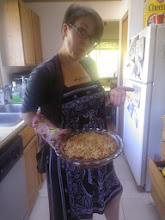

 Posts
Posts

